

مخطط لنقل مساحيق مُكْتَرَبَات السُّكَّر جوياً
In the modern food and pharmaceutical industries, the handling of fine powders requires precision, hygiene, and efficiency. Xylitol, a widely used sugar substitute, presents unique challenges during the transportation process. As a crystalline powder, it is prone to clumping, electrostatic accumulation, and requires strict environmental controls to maintain its purity. Traditional mechanical conveying methods often fall short in these areas, leading to product degradation and increased operational costs. This necessitates a sophisticated approach to material handling, where the focus shifts to advanced pneumatic conveying technologies designed specifically for delicate and valuable powders like xylitol.
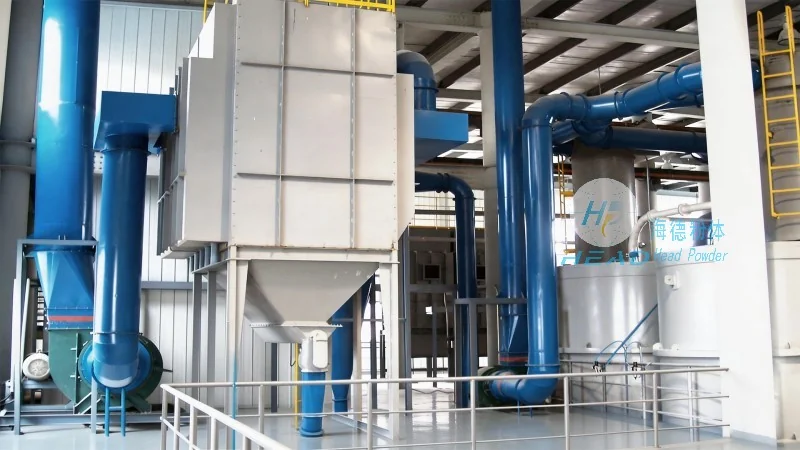
When considering the logistics of bulk material movement, the choice of equipment and system design is paramount. The industry demands solutions that not only move material from point A to point B but also preserve the chemical and physical integrity of the product. For facilities processing large volumes of xylitol, integrating a robust system is essential for maintaining production continuity and meeting regulatory standards.
The Role of Pneumatic Conveying in Xylitol Processing
Pneumatic conveying systems have emerged as the superior solution for xylitol powder transport. Unlike mechanical conveyors that rely on physical contact, pneumatic systems use air pressure to move materials through a pipeline. This method eliminates the need for mechanical seals and moving parts within the transport stream, significantly reducing the risk of contamination. For a product like xylitol, which is often used in sensitive applications such as chewing gum, candies, and pharmaceuticals, this non-contact method is indispensable.
One of the primary advantages of utilizing a pneumatic system is the ability to control the environment within the pipeline. Xylitol is hygroscopic and can absorb moisture from the air, which affects its flow properties. By maintaining a dry and clean air supply, the system ensures that the xylitol powder remains in its optimal state throughout the journey from the storage silo to the packaging line. This level of environmental control is difficult to achieve with other types of conveyors, making air transport the industry standard for high-value food ingredients.
Customized Solutions for Unique Production Needs
Every manufacturing facility has a unique layout and production flow, which means a "one-size-fits-all" approach rarely works in material handling. This is where the importance of a tailored approach becomes evident. A generic conveyor system may not account for vertical lifts, sharp turns, or specific distance requirements that exist in a client's plant. Therefore, a comprehensive and customized solution is required to optimize the workflow.
Specialized engineering firms focus on designing systems that integrate seamlessly with existing equipment. By analyzing the specific constraints of the production floor, engineers can design a layout that minimizes energy consumption while maximizing throughput. This involves precise calculations regarding air volume, pressure differentials, and pipe diameter to ensure the xylitol is conveyed at the correct velocity. A well-designed system prevents issues such as pipeline blockages and ensures a smooth, uninterrupted flow of materials.
Core Components of the Xylitol Powder Transport System
A reliable xylitol powder transport system is composed of several critical components working in unison. The process typically begins with a rotary feeder or screw feeder, which precisely meters the powder into the pipeline. This ensures a consistent feed rate, which is crucial for maintaining stable air pressure in the system. Following the feeder, the transport pipeline carries the powder to a receiving station, often equipped with a cyclone separator or bag filter.
The separation process is vital to prevent the xylitol powder from being carried away with the exhaust air. High-efficiency filters ensure that 99% of the powder is captured, protecting downstream equipment and the environment. Furthermore, the system often includes a vacuum pump or blower that generates the necessary pressure differential to move the material. The choice of blower technology, whether positive displacement or centrifugal, depends on the specific requirements of the conveying distance and the volume of material being moved.
Ensuring Safety and Hygiene Standards
Safety is a non-negotiable aspect of any industrial process involving powders. Xylitol dust, like many organic powders, can pose explosion risks if dispersed in the air in high concentrations. Therefore, a professional xylitol powder transport system must incorporate multiple layers of safety measures. This includes explosion-proof electrical equipment, grounding systems to prevent static electricity buildup, and pressure relief valves to handle potential pressure surges.
Hygiene is equally critical, especially for food-grade xylitol. The system must be constructed from high-grade stainless steel, typically 304 or 316L, which is resistant to corrosion and easy to clean. The design should facilitate cleaning-in-place (CIP) protocols, ensuring that no residue remains in the pipeline that could contaminate the next batch of product. By adhering to strict hygiene standards, manufacturers can ensure their products meet the rigorous safety requirements of global markets.
Advantages of Professional Engineering and Support
Choosing the right partner for material handling is as important as choosing the equipment itself. A professional manufacturer brings years of technical expertise and industry knowledge to the table. They understand the nuances of powder behavior and can predict potential issues before they arise. This expertise is invaluable when designing a system that will operate 24/7 with minimal downtime.
Professional manufacturers offer end-to-end services, from initial consultation and site surveys to installation, commissioning, and after-sales support. They provide detailed maintenance manuals and training for the plant operators, ensuring that the team is fully capable of managing the system. This comprehensive support structure ensures that the investment in the conveying system yields a high return by maximizing operational efficiency and minimizing maintenance costs over the long term.
Why Choose a Specialized Manufacturer?
When searching for a solution, it is essential to work with a specialized manufacturer that understands the intricacies of xylitol. A company that focuses exclusively on powder engineering will have the technical depth to address specific challenges. They offer specialized knowledge in fluid dynamics and particle mechanics, which allows them to fine-tune the system for optimal performance.
These manufacturers provide detailed proposals that outline the technical specifications, expected performance metrics, and compliance with international standards. They act as a strategic partner, helping clients navigate complex regulations and technological advancements. By leveraging the expertise of a specialized team, manufacturers can deliver a system that is not only efficient but also future-proof, capable of adapting to changes in production volume or requirements.
Optimizing Production Efficiency
Implementing an advanced conveying system directly impacts the overall efficiency of the production line. By automating the transfer of xylitol, manufacturers can reduce labor costs associated with manual handling and bagging. The system operates silently and continuously, allowing for a more streamlined production process. This automation also reduces the risk of human error, ensuring that the correct amount of material is transferred to the correct location every time.
Moreover, the speed of the conveying system allows for higher production capacities. Bottlenecks that often occur during manual loading are eliminated, allowing the factory to operate at peak efficiency. The ability to quickly and cleanly transfer materials enables just-in-time manufacturing strategies, reducing inventory costs and improving cash flow. In a competitive market, these efficiency gains can be the difference between profit and loss.
Contacting the Experts
For businesses looking to upgrade their material handling capabilities, expert consultation is the first step towards success. The complexity of designing and implementing a pneumatic system requires professional guidance. It is crucial to engage with a team that has a proven track record in the field.
For detailed inquiries regarding system design, technical specifications, or to discuss specific project requirements, direct communication with the engineering team is recommended. Engaging with experienced professionals ensures that the unique needs of the production facility are met with precision and care. The goal is to establish a partnership that drives operational excellence and ensures the safe, efficient handling of xylitol powder throughout the entire supply chain.