Calcium powder is a crucial raw material in many industries, ranging from plastics and rubber to food and pharmaceuticals. Due to its chemical properties, calcium powder can easily agglomerate, absorb moisture, and generate dust during handling. Therefore, choosing the right method for calcium powder conveying is vital for ensuring production efficiency and product quality. Improper transportation can lead to blockages, equipment wear, and environmental pollution. This article explores the various methods of calcium powder conveying, with a special focus on the advanced pneumatic solutions provided by Haide.
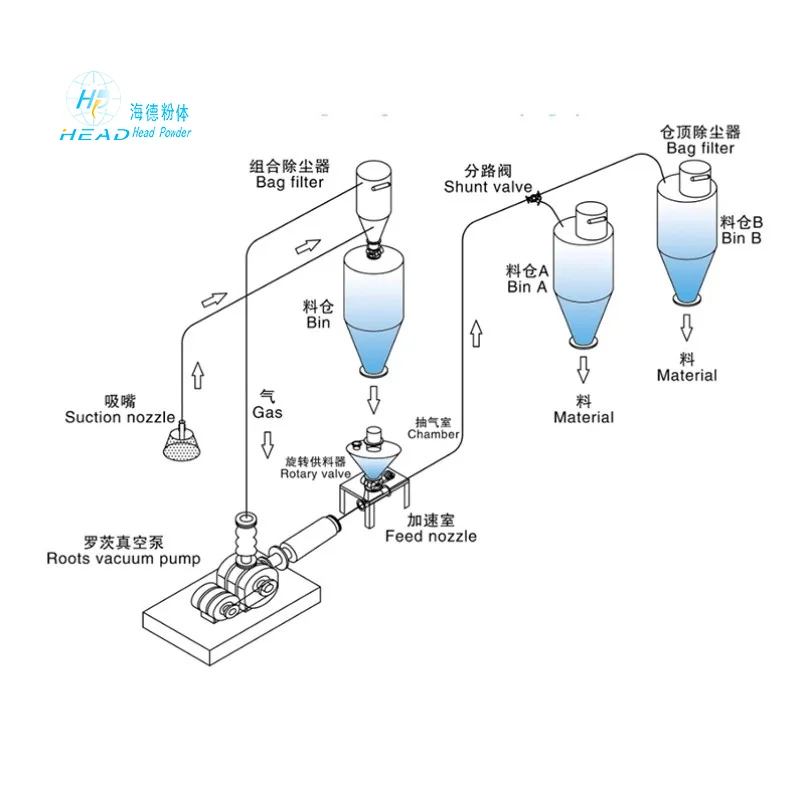
Among all the available options, calcium powder pneumatic conveying stands out as the most modern and efficient technology. Unlike traditional mechanical conveyors that rely on physical contact between the material and the equipment, pneumatic conveying uses a stream of air to transport the powder through a closed pipeline. This method offers significant advantages for calcium powder, which is known for its fine particle size and tendency to form dust clouds. By utilizing air pressure, the powder is fluidized and moved smoothly from the source to the destination without the need for complex mechanical parts inside the pipeline.
The technology behind calcium powder pneumatic conveying involves sophisticated engineering. The system typically consists of a compressor, a feeder, a pipeline network, and a dust collector. The process begins when compressed air is introduced into the system. Depending on the design, this can be either positive pressure or negative pressure. In a positive pressure system, the air pushes the powder forward, while in a negative pressure system, the air pulls the powder through the pipes. This flexibility allows engineers to design systems that perfectly match the layout of a factory, whether the distance is short or long. The closed nature of the system ensures that the material conveying process is dust-free, protecting both the operator and the environment.
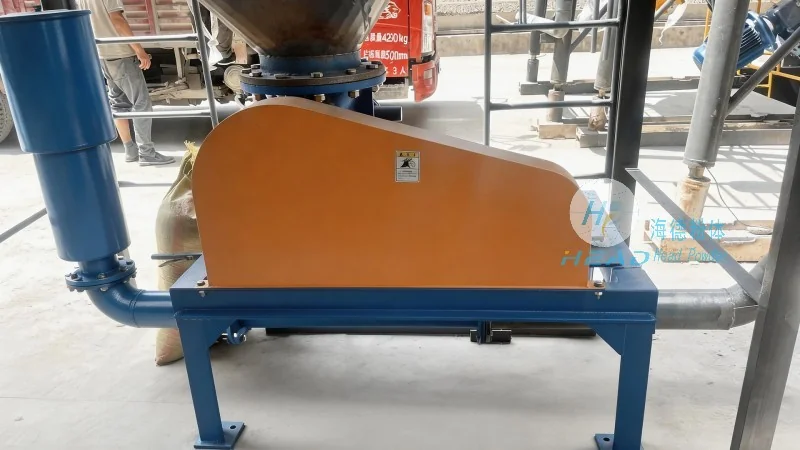
There are two primary sub-types of calcium powder pneumatic conveying used in industrial applications: dilute phase and dense phase. Dilute phase conveying is characterized by high air velocity and low powder concentration. It is suitable for short distances and is excellent for moving fine powders without causing attrition or damage to the particles. However, for longer distances or more abrasive materials, dense phase conveying is preferred. Dense phase conveying uses lower velocities and higher pressures, allowing the powder to slide or roll along the pipe walls. This method drastically reduces wear on the pipes and minimizes the generation of dust, making it ideal for large-scale calcium powder conveying operations.
While pneumatic conveying is superior in many aspects, it is important to understand how it compares to mechanical material conveying methods. Mechanical conveyors, such as screw conveyors or bucket elevators, are often chosen for their lower initial cost. However, they involve direct contact between the moving parts and the powder, which can generate heat and friction. For calcium powder, which is sensitive to heat and moisture, this can be detrimental. Moreover, mechanical conveyors are prone to blockages if the powder is too fine or if it clumps together. Pneumatic conveying eliminates these risks by keeping the material suspended in air, providing a much more reliable and sanitary solution for handling sensitive powders.
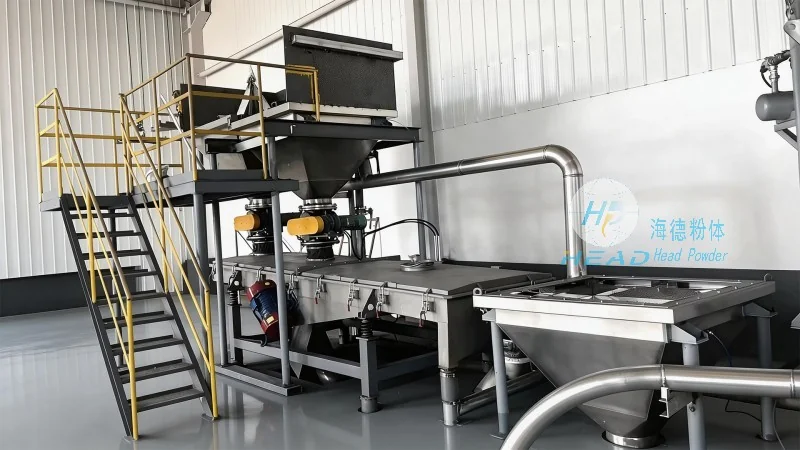
When it comes to implementing a complex calcium powder conveying system, the expertise of the manufacturer is critical. شركة شاندونغ هايد لهندسة المساحيق المحدودة (Shandong Haide Powder Engineering Co., Ltd.) is a leading expert in the field. Located in Shandong, China, the company specializes in the design, manufacturing, and installation of powder handling equipment. With years of experience in the industry, Haide understands the unique challenges of transporting calcium powder. They offer customized solutions that optimize energy consumption and ensure long-term durability of the equipment. Whether you need a small-scale unit or a large industrial plant, their team provides comprehensive support from consultation to after-sales service.
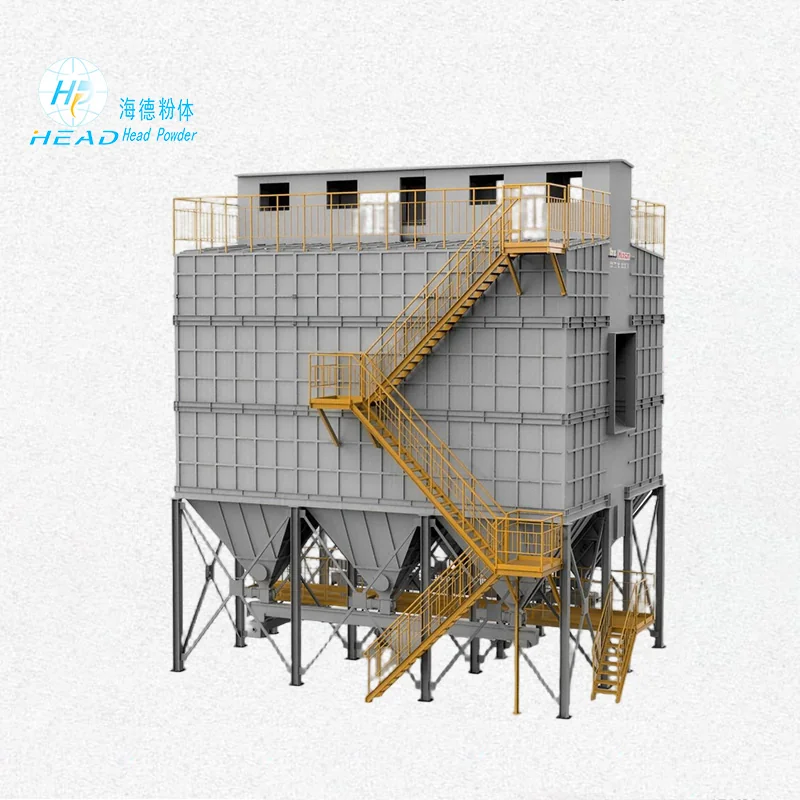
The calcium powder pneumatic conveying systems provided by Haide are designed with several key features. First, they are highly automated, reducing the need for manual intervention and lowering labor costs. Second, they are extremely versatile and can handle various types of powders, not just calcium powder. Third, the equipment is built with high-quality materials to resist corrosion and wear, ensuring a long service life. By choosing Haide, clients benefit from a turnkey solution that integrates seamlessly into their existing production lines, enhancing overall productivity.
Implementing the right calcium powder conveying system requires professional guidance. If you are looking for reliable solutions in material conveying, it is essential to consult with industry experts. The professional team at هايد للمساحيق is ready to assist you. You can contact Mr. Zhang, the contact person, for detailed consultations and technical support. Mr. Zhang can be reached via WeChat at 15662777102. By contacting him, you can discuss your specific requirements and receive a tailored proposal that meets your production needs. Do not hesitate to reach out to ensure your calcium powder handling process is efficient, safe, and cost-effective.

 شركة شاندونغ هايد لهندسة المساحيق المحدودة
 156-6277-7102(المدير تشانغ)
  0531-83386006
  منطقة تشانغكيو، مدينة جينان، مقاطعة شاندونغ، الصين
خدمة الخط الساخن
ميكروالمشورة
العودة إلى الأعلى